Cotality review: property data, analytics and what it's like to work there
 By Jan Suski. I go deep on every review, checking every number against its source and digging up details other coverage misses, a habit from six years of SEO and link building for tech companies. Bylines at Surfer, Brand24, and Senuto. How the scoring works.
· Prefer this source on Google
Best for
Lenders, insurers and large real-estate enterprises with the scale and budget to run Cotality as an ongoing enterprise data relationship.
Not for
Agencies that need one comp at a time. Irregular, small-volume buyers should look elsewhere.
What it costs
No published rate card. Cotality sells business solutions configured once and run for years, priced to the account.
- Australian lending
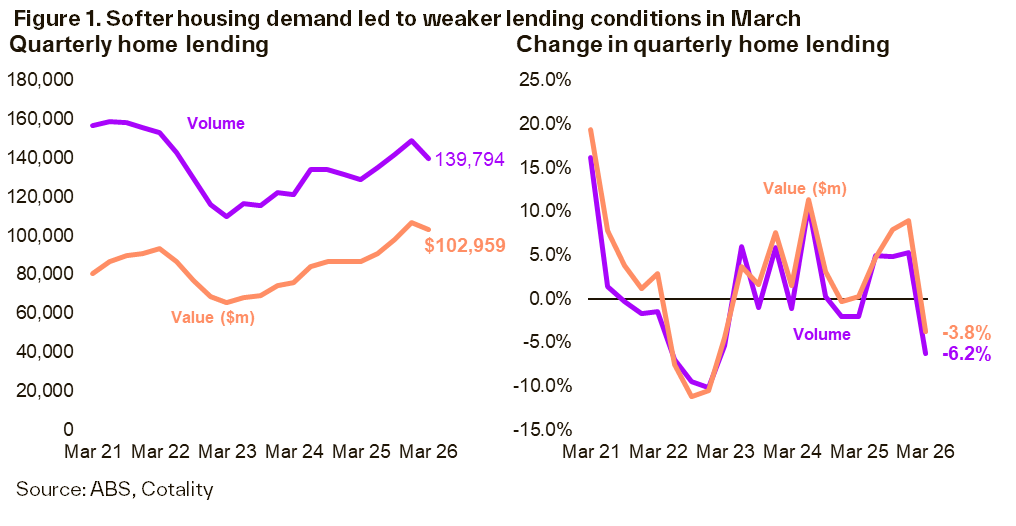
- 139,794 loans worth $102,959 million in the March 2026 quarter, down 6.2% by volume and 3.8% by value
- Borrower split
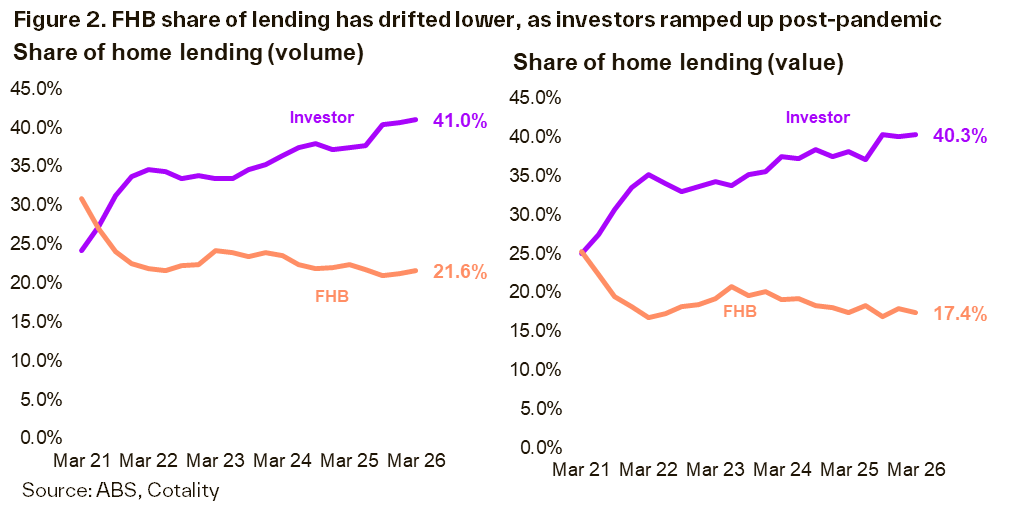
- Investors at 41.0% of volume and 40.3% of value by March 2026; first home buyers at 21.6% and 17.4%
- State-level detail
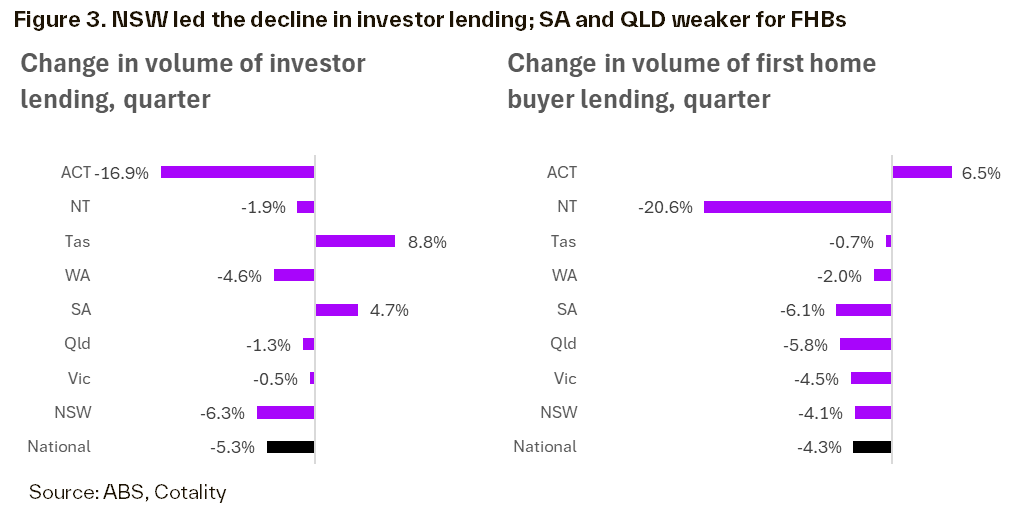
- Investor lending down 16.9% in the ACT and up 8.8% in Tasmania against a 5.3% national fall
- New Zealand series
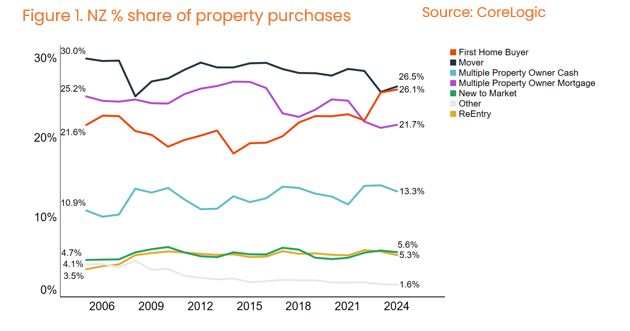
- Seven buyer types split from 2006; the top three finished 2024 at 26.5%, 26.1% and 21.7%
- NZ volume series
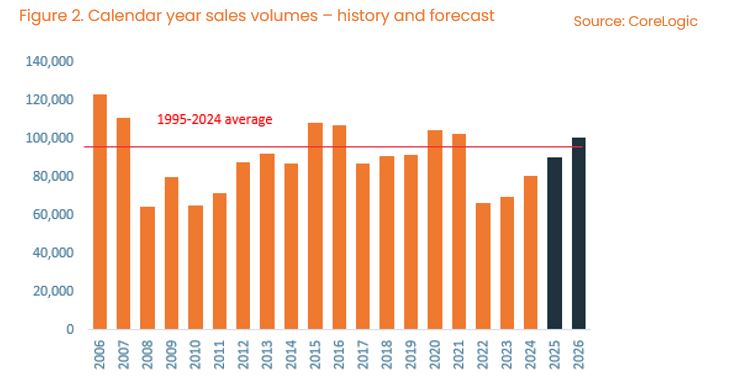
- Calendar-year sales peaked near 122,000 in 2006 and troughed around 66,000 in 2022
- Contract shape
- Enterprise; the analytics earn their cost at thousands of decisions
- Buying unit
- Business solutions bought once and configured for years
- Free sample
- The published market research runs on the same parcel and transaction records, aggregated
- Cost beyond the licence
- Training time and a named internal owner, because of the learning curve users report
- Small-agency fit
- The contract shape and training overhead are built for a different buyer than an agency wanting occasional comps
- Former name
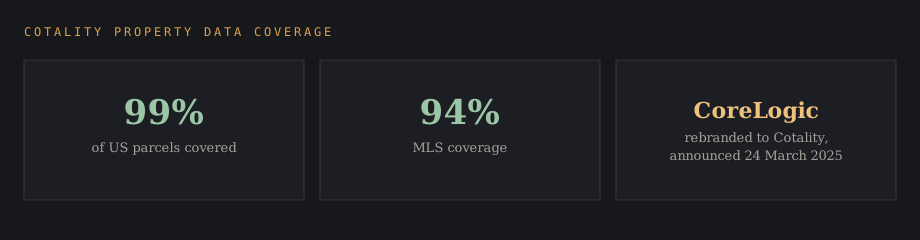
- CoreLogic; the rebrand was announced 24 March 2025. On Glassdoor, 87% of employees would recommend Cotality to a friend, and 93% approve of the CEO, per the company's own published ratings
- US parcel coverage
- 99% of parcels
- MLS coverage
- 94%, with platform integration for in-depth property reports
- Australia business
- The former CoreLogic Australia, serving lenders, insurers and agents against Australian records
- APIs
- RESTful, and connectable in a week
- Learning curve
- Users report a steep one; the analytics need a named internal owner to be worth anything
- Record detail
- Parcel-level information and ownership records, with ownership history attached
- Source data
- County recorders, tax rolls and MLS feeds, normalized before any of it is usable
- Risk models
- The same property question priced two ways, for a carrier writing a policy and a lender pricing a loan
- Claims platform
- Centralized property claims management with the underlying property record in the same place
- Image analytics
- AI reads property photographs to speed appraisal review
- Audience data
- Property signals used to target campaigns, for example homeowners approaching a refinance window
- Dashboards
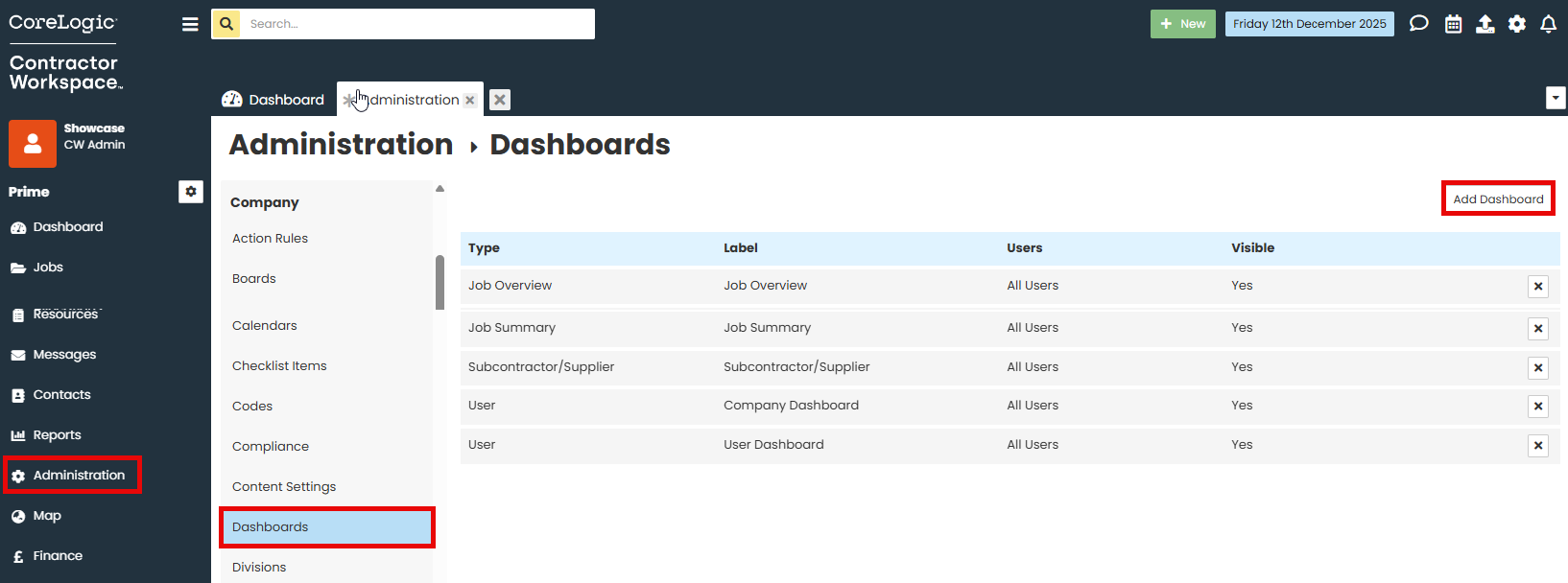
- Customizable per team, so a risk group and a revenue group read one account without sharing a page
Alternatives to Cotality
ATTOM
Not forLenders who want valuation models & hazard scoring delivered.
CoStar
Not forMortgage & insurance teams pricing residential risk across a whole book of loans.
Pairs well with Cotality
What the coverage figures rest on, and which numbers are Cotality's own research
The 99% parcel and 94% MLS figures are Cotality's claims about its own database, and they carry the market leader claim the company makes for itself. The Australian and New Zealand lending series are Cotality's published research: the charts name the underlying statistical agency, the Australian volumes run against ABS figures, and each carries a Cotality or CoreLogic source line, which is why a buyer can check the working before licensing anything.
Glassdoor supplies the employer ratings quoted further down. Cotality sells enterprise contracts, so the price column describes how those deals are structured. This page was updated 9 August 2026.

Compare the data sources yourself
Visit Bright Data
Listings scraped from public web sources at $2.50 per 1,000 records, covering markets Cotality's US file stops at.
 Visit Bright Data →
May earn a commission if you sign up through this link, at no extra cost to you. Full affiliate disclosure.
Cotality is the property data and analytics company formerly called CoreLogic. The rebrand was announced on 24 March 2025, so a search for either name lands on the same business.
This Cotality review covers two questions people ask about the company, because they ask both: what the Cotality platform does for the property industry, and what it's like to work there.
The product answer starts with coverage. Cotality provides U.S. property data covering 99% of parcels and 94% MLS coverage, and that database is the basis of the market leader claim the company makes for itself.
↑ FACT SHEETWhat Cotality does with property data
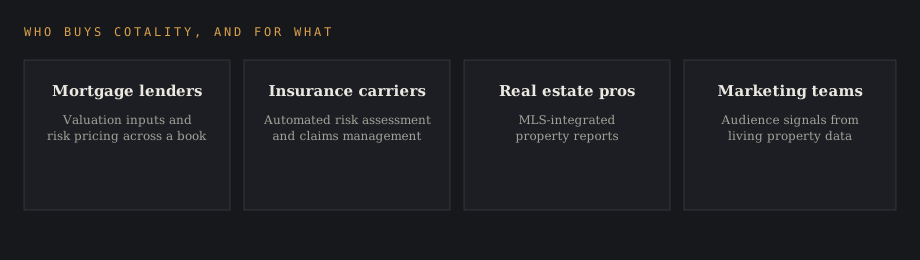
Cotality provides detailed property data for valuation, risk management, and market insights. The Cotality customers are real estate professionals, lenders, and insurance carriers, and each buys a different slice of the same underlying records.
Clients don't buy records. They buy actionable insights drawn from records, and the difference shows up in what a lender does on Monday morning.
The financial services side buys risk models. An insurance carrier pricing a policy and a lender pricing a loan are asking the same question about the same property from a different perspective.
Parcel-level detail is the foundation. Cotality provides detailed parcel information and ownership records, and the Cotality platform integrates with MLS to provide in-depth property reports.
Data acquired from county recorders, tax rolls, and MLS feeds has to be normalized before any of it is helpful. That normalization is the unglamorous work at the center of the business, and it's what creates the value in the file.
That combination is what makes property valuation work at scale. A single appraisal needs one record. A mortgage lender pricing risk across a book needs every record in the county, refreshed, with ownership history attached.
The business reaches beyond the US. Cotality runs a substantial Australia operation, the former CoreLogic Australia, which serves the same lender, insurer and agent segments against Australian property records.
Business solutions for lenders and insurers
Cotality's platform is suited for large-scale users such as mortgage lenders and insurers. Volume is the dividing line: the analytics earn their cost when the account is running thousands of decisions.
For insurers, Cotality offers a specialized tool designed to automate risk assessment. Cotality has a centralized platform for managing property claims, which puts the claim and the underlying property record in the same place.
Cotality uses AI for image analytics to improve appraisal reviews, reading photographs of a property. Cotality emphasizes responsible AI in its products and services, and these are business solutions bought once and configured for years.
Marketing and audience data
Cotality uses living property data to identify audience signals for marketing. A lender that knows which homeowners are approaching a refinance window can target the campaign using the actual property record, going past a typical demographic guess to parcel-level ownership and equity data.
The consumer-facing side of the business sits here, and it's the piece most buyers underuse. It also needs permission handling like any consumer marketing data, so check what consent basis comes attached before a campaign runs.
Automation, dashboards and APIs
Cotality automates workflows to reduce manual tasks and cycle times. Cotality allows users to customize dashboards to show specific metrics, so a risk team and a revenue team can each read the account without arguing over one shared page.
The technology direction is modern and developer-friendly, including RESTful APIs, and that's what to weigh here. An API a team can integrate in a week beats a richer product that takes two quarters to connect.
Users have reported a steep learning curve with Cotality. Budget training time and name an internal owner, because the analytics are only as helpful as the person who knows which report answers the question.
↑ FACT SHEETThe research Cotality publishes
Cotality publishes market research from the same database it licenses, which is the cheapest way to judge the data before buying it. The charts carry a Cotality or CoreLogic source line and name the underlying statistical agency, so a buyer can check the working.
Australian lending data
The Australian series tracks home lending by volume and value against ABS figures. Lending ran at 139,794 loans worth $102,959 million in the March 2026 quarter, down 6.2% by volume and 3.8% by value on the prior quarter.
The same data cut by borrower type is the more useful view for anyone pricing risk. Investors reached 41.0% of lending volume and 40.3% of value by March 2026, while first home buyers slipped to 21.6% and 17.4%, a gap that has widened every year since the pandemic.
State-level breakdowns show how far a national number can mislead. Investor lending fell 5.3% nationally that quarter while dropping 16.9% in the ACT and rising 8.8% in Tasmania, and first home buyer lending fell 20.6% in the Northern Territory against a 4.3% national decline.
New Zealand market data
The New Zealand series runs on the same method against a different market. Purchases are split across seven buyer types from 2006, and the top three finished 2024 within five points of each other at 26.5%, 26.1% and 21.7%, a tighter spread than the 30.0% to 21.6% range the series opened with.
The volume series is where the forecasting shows. Calendar-year sales peaked near 122,000 in 2006 and troughed around 66,000 in 2022, with 2025 and 2026 forecast to land close to the 1995 to 2024 average.
For a buyer, the published research works as a free sample of the licensed product: the same parcel and transaction records, aggregated. If the charts answer questions your team currently pays an analyst to assemble, the underlying feed probably will too.
Working at Cotality: is it a great place to work
Employer reviews are half of what people search for on this company, so here's what the ratings say.
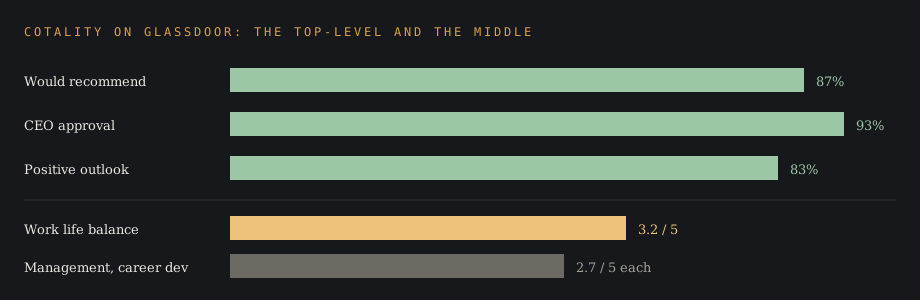
Cotality has a high employee satisfaction rating on Glassdoor. 87% of employees would recommend Cotality to a friend, 93% approve of the CEO, and 83% have a positive outlook for the business. The company was named one of Glassdoor's Best-Led Companies 2025.
Employees appreciate the supportive work environment and team collaboration, and the culture emphasizes trust and transparency. Cotality offers flexible working arrangements, and work life balance rates 3.2 out of 5.
The gap in the numbers
Two ratings sit oddly against the rest. Management scores 2.7 out of 5, and career development scores 2.7 out of 5, against that 93% CEO approval.
A 93% approval for the chief executive alongside a 2.7 for management is a specific finding: people rate the direction from senior management well and their day-to-day line management poorly. Senior management and the manager two desks away are being scored by the same employees as different things.
Career development at 2.7 says something similar about growth opportunities. 87% recommend Cotality for career growth, and the development rating still lands at 2.7, which usually means the opportunities exist and the path to them isn't clear.
Anyone weighing an offer should ask the specific questions that rating implies: who sets promotion criteria, how often they're reviewed, and what happened to the last two people in the role. A good work life balance and a great team don't compensate for an unclear direction over three years.
Leadership, managers and workload
Leadership scores well in aggregate. 93% CEO approval and a place on Glassdoor's Best-Led Companies 2025 list are hard results to fake, and 83% holding a positive outlook is a number any employer is proud to publish.
Line managers score differently. A 2.7 management rating means the experience of individual workers depends on which manager they report to, and inconsistent line management is the usual reason a company posts strong top-level ratings and weak middle ones.
Workload and pace sit beside it. A 3.2 work life balance rating is middling. It's too demanding to be a selling point and too tolerable to push people out. Flexible working arrangements do most of the lifting on employee wellbeing here, and reviewers describe the pace as steady.
What a software engineer or analyst should ask before accepting
The 2.7 career development rating is the one to probe. Ask what responsibilities the role owns in month one against month twelve, ask what's expected in the first 90 days, and get the answers in writing.
Talk to peers in the function. Two conversations with people already doing the job give a clearer sense of the work than any panel does, and that access is rare enough that a refusal tells you something.
Ask where there's room to try new things. Employees report many opportunities to grow, and 87% recommend Cotality for career growth, so those opportunities exist in real numbers. What's missing is clarity about the path to them.
Reading Cotality employer reviews well
Ratings vary by role and location. A software engineer, a claims analyst, and a sales lead are describing different jobs at the same company, and an average across all of them tells you less than the reviews from your own function.
Filter before you conclude. Read the comments from your role, in your office, from the last 18 months, and treat everything older as history. The Australia reviews and the US ones describe different offices under one brand.
The best advice for anyone reading a Glassdoor page: a great place to work for one team can be a poor one for another. Focus on reviews from people doing your job and treat the company average as background.
↑ FACT SHEETWho Cotality fits
Cotality fits organizations with property volume: mortgage lenders, insurance carriers, large brokerages, and the data teams inside them. Coverage of 99% of parcels only pays off when you need the whole country.
It fits less well for a small agency wanting occasional comps. The training overhead and the enterprise contract shape are built for a different buyer.
Pick one workflow, run it end to end, and count the manual steps that survive. If the processes still need a person copying values between systems, the automation isn't reaching your team, and the analytics are less helpful than the demo suggested.
↑ FACT SHEETCommon questions
Is Cotality now CoreLogic?
They're the same company. CoreLogic announced the rebrand to Cotality on 24 March 2025, and the CoreLogic name is the former one.
What does the company Cotality do?
It sells property data and analytics: parcel records, ownership history, valuation inputs, risk models, claims tooling, and marketing audience signals, drawn from a database covering 99% of U.S. parcels and 94% MLS coverage, with a separate Australia business alongside it.
Who owns Cotality?
Cotality is privately held, having been acquired and taken off the public market before the rebrand from CoreLogic. It operates as an independent property data business.
Is Cotality a mortgage company?
No. Cotality sells data and services to mortgage lenders and originates no loans itself. Lenders are a core customer, and that's the extent of the connection.
Is Cotality a good company to work for?
The ratings are mixed in a specific way. 87% of employees recommend it and 93% approve of the CEO, while management and career development both sit at 2.7 out of 5. It was named one of Glassdoor's Best-Led Companies 2025.
Is Cotality a good company to buy from?
For lenders and insurers running volume, the coverage figures are the strongest argument: 99% of parcels and 94% MLS. The consistent complaint is the learning curve, so the risk in the purchase is adoption.